
The Craftory Journal
How to Style a Corset Blouse With a Saree
A practical guide to pairing a corset blouse with a saree, from proportion and fabric to fit, draping, jewelry, and occasion.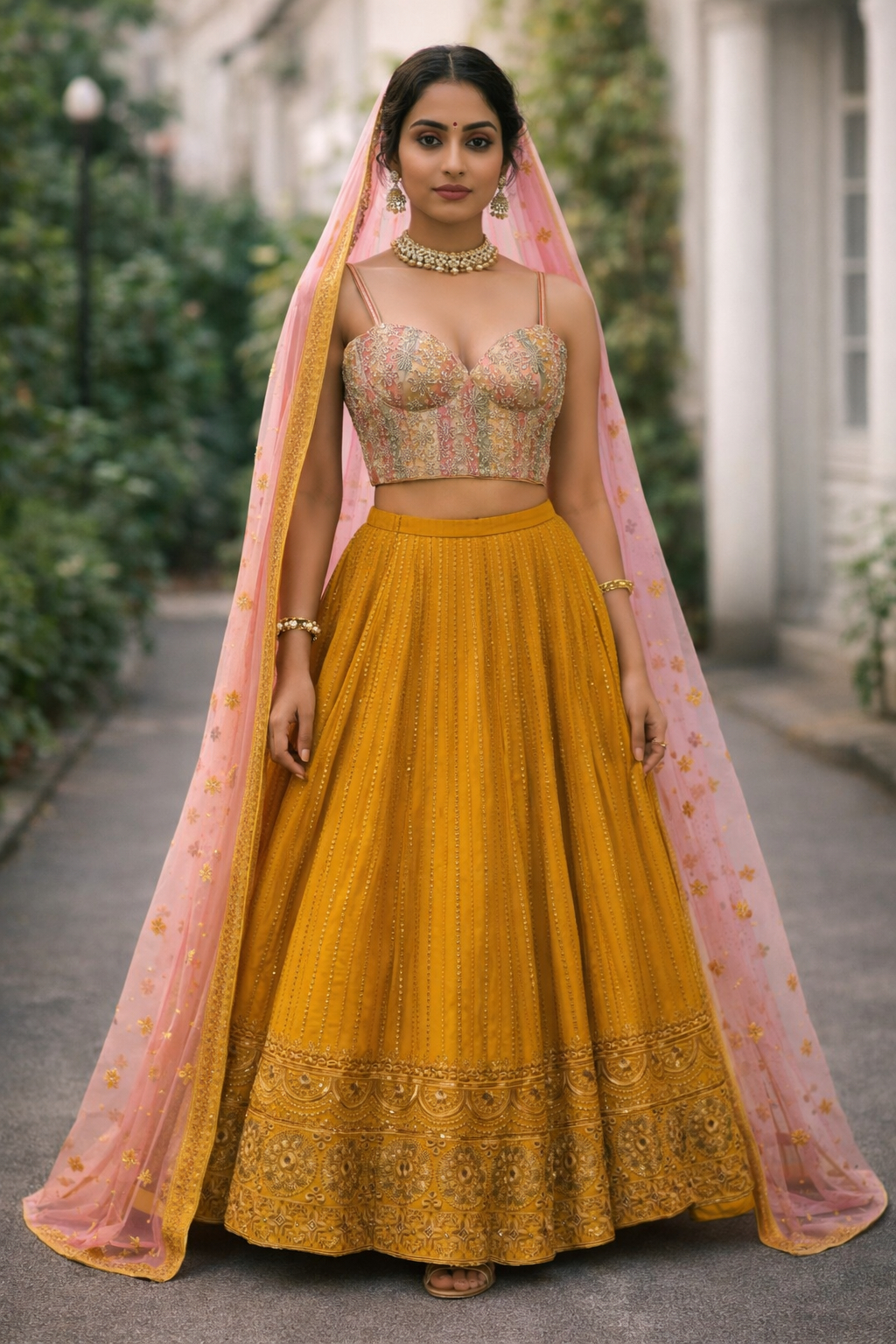
A corset blouse can make a saree feel instantly more defined without taking away the ease and movement that make a saree special. The key is not to chase the sharpest possible silhouette. It is to create a relationship between the blouse, the drape, and the occasion, so the full look feels considered from the first photograph to the last conversation.
A corset-inspired blouse is simply a structured blouse with shaping through the bodice. It may have visible panel seams, a longer line, a lace-up back, a softly sculpted neckline, or subtle boning. The modern appeal comes from contrast: the blouse gives the upper body clarity while the saree remains fluid. When both pieces are chosen with proportion and comfort in mind, the result can feel elegant, celebratory, and entirely personal.
Begin with proportion, not the trend
The blouse is not a separate costume piece. It needs to belong to the saree. Start by looking at the visual weight of the fabric, border, and pallu. A highly embroidered or sculpted blouse usually needs a saree with room to breathe, perhaps a clean georgette, satin, chiffon, tissue, or softly detailed silk. When both the blouse and saree carry dense embroidery, the look can still work, but one element should have a quieter surface or a simpler color story.
Length changes the mood too. A blouse that stops neatly at the waist can feel classic and balanced with a traditional drape. A slightly longer, corset-inspired line can create a more contemporary silhouette, especially when the saree is light enough to fall smoothly from the waist. The aim is not to make the waist disappear. It is to make the torso and drape look intentional together.
Before you decide on jewelry or shoes, stand back from the mirror and look at the full line. If the blouse is the focal point, let the saree frame it. If the saree has a remarkable border or pallu, choose a blouse that supports rather than competes with it. This one decision makes everything that follows easier.
Choose fabric that lets the two silhouettes work together
Structured blouses and fluid sarees are a natural pairing because they create contrast without requiring too much ornament. Chiffon, georgette, organza, satin, tissue, and lighter silks often work beautifully with a corset-inspired blouse. Their movement lets the blouse hold its shape while the drape stays soft through the waist and shoulder.
Heavier silk, brocade, and richly woven sarees can also be beautiful, but they ask for restraint. If the saree already has substantial texture, a matte silk or raw-silk blouse with clean panel seams may feel more harmonious than a heavily boned, high-shine bodice. Think of it as balancing texture. One dense surface can sit beside one smoother surface much more easily than two equally forceful ones.
Transparency deserves a quick fitting check. With organza or a sheer saree, make sure the blouse’s lining, seams, and lower edge look clean beneath the drape. The pallu should glide over the shoulder without catching on raised embroidery, hooks, or a sharp seam. A few minutes spent checking the fabric interaction at home can prevent a beautiful look from feeling difficult in motion.
Make fit the real luxury
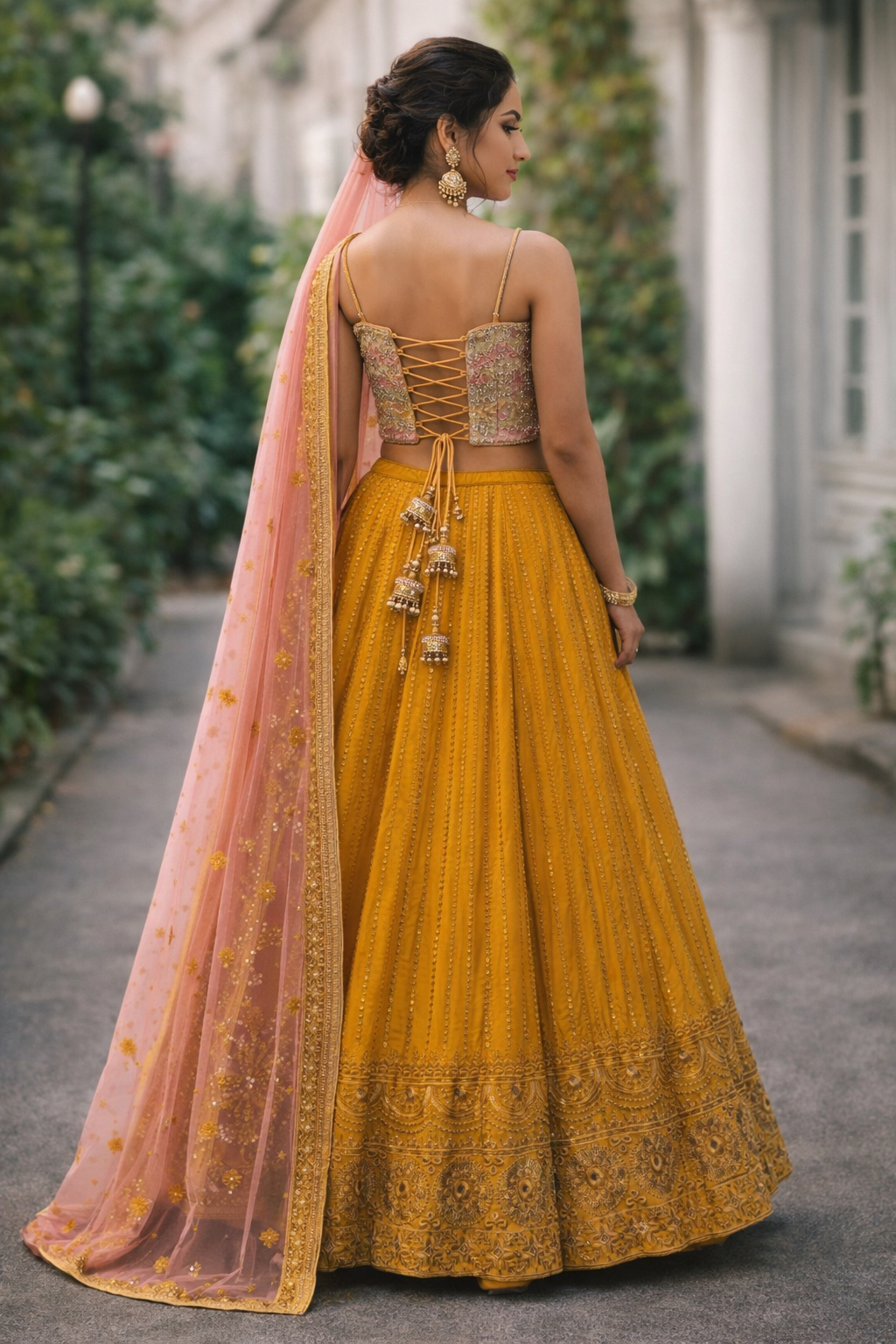
A corset blouse should feel held, not trapped. The point of structure is support and definition, not restriction. Take a full breath. Sit for several minutes. Raise your arms. Turn from side to side. The neckline should stay flat, the side seams should not twist, and the lower edge should not dig into your ribs. If the blouse asks for constant adjustment in a fitting room, it will ask for more at a celebration.
Bring the exact saree and the underlayers you plan to wear to the final fitting. A blouse can feel very different once the saree is tucked at the waist and the pallu has real weight. Check the back closure too, whether it is hooks, a covered zip, or a lace-up detail. It should sit evenly and feel secure without creating strain across the panels.
This is where thoughtful tailoring earns its place. Small refinements to strap placement, neckline height, side support, or the blouse length can make a structured silhouette feel natural to wear. The goal is confidence you do not have to think about, not a look that performs only while you are standing still.
Decide how much drape you want to show
A corset blouse works with more than one saree drape. A classic pinned pallu keeps the shoulder clean and lets the blouse’s neckline and paneling stay visible. It is a good choice for an engagement, reception, or evening event where you want the shape of the blouse to read clearly in photographs.
A softer open pallu creates a gentler effect. It can partially frame the bodice, add coverage when you want it, and make the look feel more relaxed. This direction works particularly well with a blouse that has a strong neckline or with a saree whose pallu has beautiful texture. Decide the drape before the event, then test whether pins or a small wrist loop will let you move without constantly resetting the fabric.
For ceremonies with specific expectations around coverage, let the family’s guidance lead. A well-draped dupatta or pallu can add elegance without hiding the shape entirely. There is no need for a universal rule. The most polished choice is the one that suits the setting and lets you feel at ease in the room.
Use color and embroidery to create one clear story
Color is an easy way to connect a corset blouse and a saree without matching every bead. You might pull one shade from a border into the blouse, repeat the metal tone of the embroidery in your jewelry, or use a contrasting blouse as the single modern element in an otherwise classic look. A blush blouse with warm gold and marigold, a deep wine bodice with antique-gold silk, or a black blouse with a soft metallic saree can all feel deliberate when the tones are in conversation.
When the blouse is embroidered, keep the saree’s surface relatively calm. When the saree has a dramatic border, choose a blouse with shape rather than excess decoration. The same applies to texture: a matte blouse can ground a luminous tissue saree, while a lightly embellished blouse can give a simpler crepe or georgette drape a beautiful point of focus.
If you are building from pieces you already own, begin with the blouse rather than searching for an exact set. A structured designer blouse can give a familiar saree a new life, while a designer saree in a clean fabric gives you more room to experiment with neckline, color, and jewelry.
Keep jewelry and beauty in proportion
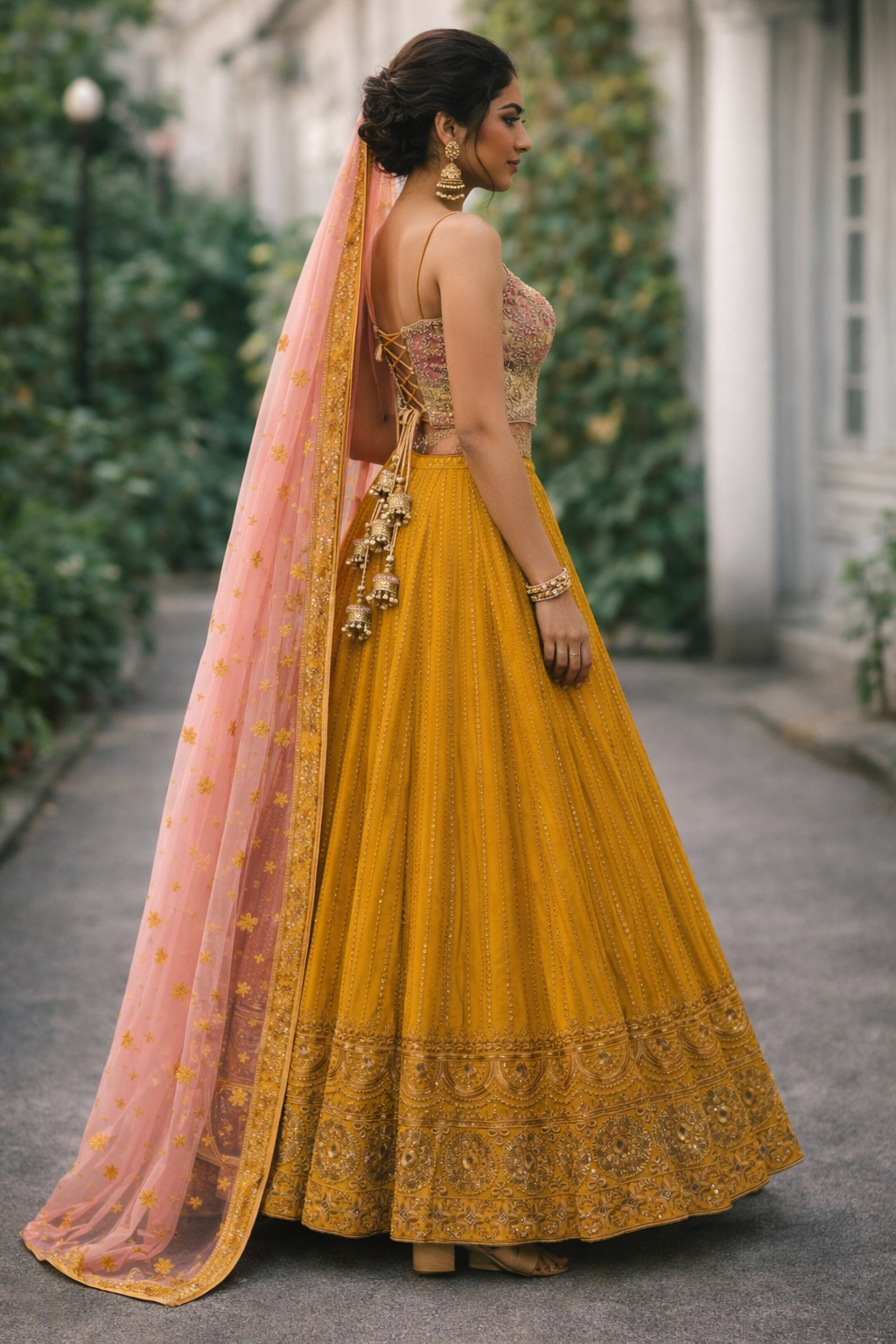
A corset blouse often creates a strong neckline, so accessories need a little editing. With a sweetheart, square, or detailed neckline, a pair of earrings and bangles may be enough. A clean, higher neckline can carry a short choker or a more sculptural earring. The easiest rule is to choose one focal point. If the blouse and earrings are doing the work, let the necklace stay quiet or skip it entirely.
Hair can help the neckline read clearly. A soft updo or pinned-back style is especially lovely when the blouse has an interesting back or shoulder line. Loose waves can suit a more relaxed open pallu. There is no need to chase a rigid formula. Choose the finish that makes the neckline, earrings, and drape feel balanced, then make sure it will hold through hugs, dinner, and dancing.
For footwear, think about the actual event. A refined block heel, dressed-up sandal, or embellished flat can keep the line polished while letting you move. If you are wearing a longer saree, test the hem with the exact shoe at home. The shoe does not need to match every thread. It only needs to support the proportion and the mood of the look.
Match the level of structure to the occasion
A corset blouse saree can feel right for a reception, sangeet, engagement, festive dinner, cocktail party, or a fashion-forward wedding event. For a more formal religious ceremony, it may be best to choose a softer neckline, add a dupatta or pallu for coverage, and follow the couple’s or family’s guidance on color and formality.
Daytime events usually benefit from a lighter hand: breathable fabric, softer shine, and a silhouette you can move in easily. Evening events can carry deeper color, richer metallic detail, and a more sculpted blouse. In either setting, comfort is not a compromise. It is the quality that lets the garment look composed from the moment you arrive to the moment you leave.
Try the whole look before the day
A full-look rehearsal is the simplest way to make a fashion-forward combination feel effortless. Put on the blouse, saree, planned underlayers, jewelry, shoes, and bag. Drape the pallu as you intend to wear it, then walk, sit, reach for a glass, and move as though you are greeting someone. Take a photograph from the front, side, and back in ordinary light. It will show whether the blouse and saree are working as one silhouette, and whether the proportions still feel like you.
This is also a useful moment to make small, calm decisions. You may prefer a softer pallu, a lighter earring, a lower heel, or one less pin. Those edits do not make the look less special. They are what allow a structured blouse and a graceful saree to stay beautiful in real life, not just in the mirror.
A final corset blouse and saree checklist
- Let either the blouse or saree lead, rather than making both equally ornate.
- Choose a fabric pairing that balances structure with movement.
- Test the blouse by breathing deeply, sitting, lifting your arms, and moving in the full drape.
- Check that the pallu glides over the blouse without catching on seams or embroidery.
- Use color, metal tone, or one textile detail to connect the pieces.
- Edit jewelry around the neckline and choose shoes for the real surface and schedule.
Make the saree feel like your own
A corset blouse with a saree is at its best when it feels like an expression of your own point of view, not a costume. The structure can give a beloved saree a new mood, bring clarity to a special-occasion look, and make room for both craft and personality. Fit, fabric, and proportion do the quiet work that makes the final effect feel effortless.
At The Craftory Couture By Rimi, clients can explore designer blouses, designer sarees, and occasionwear that bring modern proportion to heritage craft. Browse the full collection, or book a personal consultation when you would like to shape the blouse, drape, fit, and finishing details around a specific celebration.
Frequently asked questions
Can I wear a corset blouse with a saree?
Yes. A corset-inspired blouse can bring structure to a saree while the drape keeps the look fluid. The best version fits securely, lets you sit and breathe comfortably, and is paired with a saree whose weight suits the blouse.
Which saree fabrics work best with a corset blouse?
Georgette, chiffon, organza, satin, tissue, and lighter silks often pair beautifully because they move around the structured blouse. A heavier silk can work too, but choose a blouse with a simpler line so the two pieces do not compete for visual weight.
Should a corset blouse be very tight?
No. It should feel secure rather than restrictive. You should be able to take a full breath, sit for several minutes, raise your arms, and move through the event without the neckline shifting or the lower edge pressing painfully.
What jewelry works with a corset blouse saree?
Let the neckline and embroidery decide. A detailed or sweetheart neckline often needs only earrings and bangles. A cleaner neckline can carry a short necklace or choker. Choose one focal point rather than making every accessory equally bold.
Can I wear a corset blouse to an Indian wedding?
Absolutely, when it suits the invitation, ceremony, and your own comfort. A refined corset-inspired blouse works especially well for receptions, sangeets, engagement parties, and festive evenings. For a religious ceremony, follow the family’s guidance on coverage and styling.


